Safety
Is Uyuni safe? Tour safety, solo travel and the real risks
· 6 min read
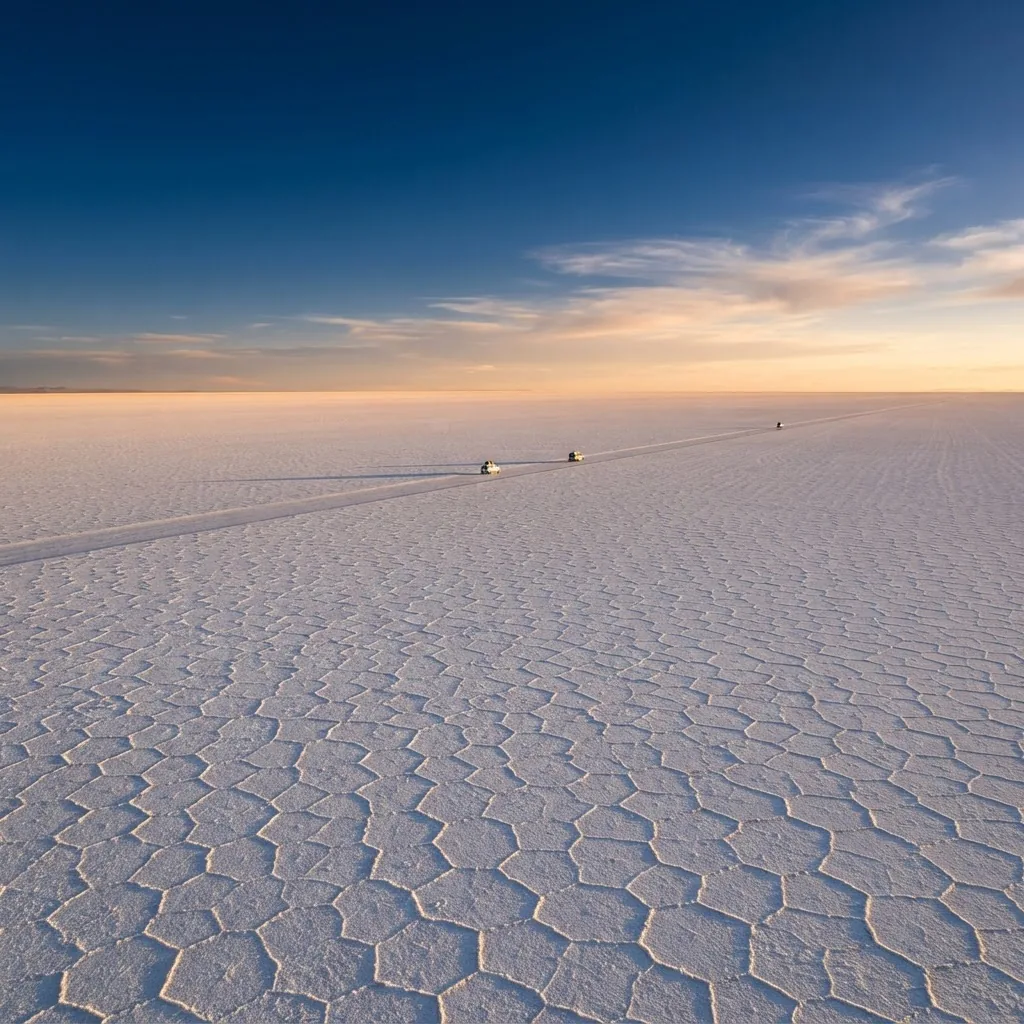
For most travellers, Uyuni is a safe trip. The risks that actually hurt people here are altitude, cold and road accidents rather than crime: fatal crashes involving tour 4x4s have happened, and UK government advice notes there are no official minimum standards for salt flat tour operators. Choosing the operator is your main safety decision.
What are the real risks on a Uyuni trip?
| Risk | How likely | What reduces it |
|---|---|---|
| Altitude sickness | Common, usually mild | A night or two at altitude before the tour, water, no alcohol on day one |
| Cold | Certain on the 3-day tour from April to October | Thermal layers, hat, gloves |
| Sunburn, glare | Certain without protection | Sunscreen, sunglasses, a hat |
| 4x4 accidents | Rare, but serious | A reputable operator, seat belts, a rested and sober driver |
| Petty theft | Occasional, mostly on buses and at terminals | Valuables on you, bags in sight, a money belt on night buses |
| Road blockades | Occasional and unpredictable | Spare days, flexible onward plans |
Are the 4x4 tours safe?
Most tours run without incident, but the history is real. In 2008 two tour vehicles collided head-on on the salar and caught fire, and more than ten people died. In 2016 five tourists were killed in another crash on the salt flats, with police pointing to speed. Over the years, reported accidents on the salar add up to more than thirty deaths, linked to poorly maintained vehicles, untrained drivers, speeding and weak regulation of tour companies.
UK government travel advice puts it plainly: there are no official minimum standards for salt flat tour operators, and vehicles are often not well maintained. That leaves the checking to you, and price is the clearest signal. Our guide to what a Uyuni tour costs explains where the savings come from on the cheapest departures.
How to check a tour operator before you pay
- Seat belts that work, in every seat you will use, back row included. Ask before booking and check on the day.
- A firm passenger limit. Our shared departures carry up to six travellers in a Toyota 4x4 and a private vehicle up to four. A seventh person squeezed in tells you how the rest of the trip will be run.
- Fuel and gas stored outside the passenger cabin. Reports of the 2008 crash said gas canisters carried inside the vehicles caught fire.
- A driver who is rested and sober. Ask how many circuits in a row the driver has done; on the 3-day route, back-to-back trips without a rest day are a real risk.
- A way to call for help. Ask whether the vehicle carries a radio or satellite phone and a first-aid kit, because mobile coverage on the route is patchy or absent.
- Clear terms in writing: what is included, what is not, and what happens if the tour is cancelled. Ours are on the booking and cancellation page.
Is Uyuni safe for solo travellers?
Yes, and the tours make it easier. Shared departures are priced per person, so a solo traveller pays for one seat and joins a group of up to six; you are never alone out on the salar or in the reserve. In town the usual precautions apply. Walk with company after dark, especially on the 3 km road out to the train cemetery, and take a taxi back rather than walking late.
On the way to Uyuni, the bigger cities need more care. UK advice warns that petty crime is common on buses and in crowded areas, that theft happens on night buses while passengers sleep, and that tourists, especially those travelling alone, are at risk of express kidnapping, sometimes by people posing as police. Never get into an unmarked police car, keep valuables in a money belt on night buses, and order radio taxis by phone rather than hailing them. The routes into town are in how to get to Uyuni.
Is Uyuni safe for women travelling alone?
Generally yes, with the care you would take anywhere. UK advice mentions sexual assaults at clubs and hostels in Bolivia and recommends caution when strangers approach you, so watch your drink and be wary of new acquaintances offering to show you around. On the 3-day tour the second night is in shared rooms of six; if that is not comfortable, a room with a private bathroom can be arranged on request for 250 BOB per person, paid on site, and a private 4x4 puts only your own group in the vehicle.
Road blockades and protests
Blockades are the risk most likely to change your plans. UK advice says protest groups often block roads without warning and that travellers should not try to cross them. A blockade can stop buses into or out of Uyuni for a day or more. Build a spare day into your route, keep onward flights flexible and follow local news before you travel. If we cancel a departure for road conditions or safety, you are refunded in full.
Altitude, cold and sun: the risks you control
These cause far more trouble than crime or accidents, and they are almost entirely preventable. The salar sits at about 3,660 m and the 3-day route climbs close to 5,000 m. Spend at least one night in Uyuni, La Paz or Potosí before the tour, drink more water than feels necessary and go easy on alcohol; our altitude guide explains what to watch for. Tell your driver-guide at once about a severe headache, nausea or breathlessness, and if you have a heart, lung or blood-pressure condition, or are pregnant, talk to your doctor before you book.
The cold and the sun are just as predictable. Nights fall below freezing from April to October, the second night of the 3-day tour is the coldest of all, and the white salt doubles the glare. Pack for both, and the trip stays comfortable.
Medical care and insurance
Uyuni is a small town, and the lagoons of the south-west are far from any hospital. Serious medical care means getting to a larger city, many hours away by road, so travel insurance that covers medical evacuation is worth having on any trip that includes the 3-day route. When you are ready, our tours can be booked online, with the itinerary, inclusions and cancellation terms set out before you pay.
Frequently asked questions
- Is Uyuni safe for tourists?
- Yes, for most travellers. The real risks are altitude, cold, sun and road accidents rather than crime. Choose a reputable operator, acclimatise before the tour and keep a spare day in case of road blockades.
- Have there been accidents on Uyuni tours?
- Yes. Fatal crashes involving tour 4x4s have happened, including a 2008 head-on collision on the salar in which both vehicles caught fire. They have been linked to poorly maintained vehicles, untrained drivers and speed, which is why the choice of operator matters.
- Is Uyuni safe for solo female travellers?
- Generally yes. Shared tours put you in a group of up to six, and on the 3-day tour a room with a private bathroom can be requested for the second night for 250 BOB. Take normal precautions in town after dark and on night buses, and be careful with drinks in bars and hostels.
- What should I check before booking a Uyuni tour?
- Working seat belts in every seat, a firm passenger limit, fuel stored outside the cabin, a rested and sober driver, a way to call for help where there is no phone signal, and clear written terms covering inclusions and cancellation.
- Do I need travel insurance for Uyuni?
- It is strongly advisable. The 3-day route runs far from any hospital, and insurance that covers medical evacuation turns a serious problem into a manageable one.