Planning
What to pack for a Uyuni salt flats tour
· 5 min read
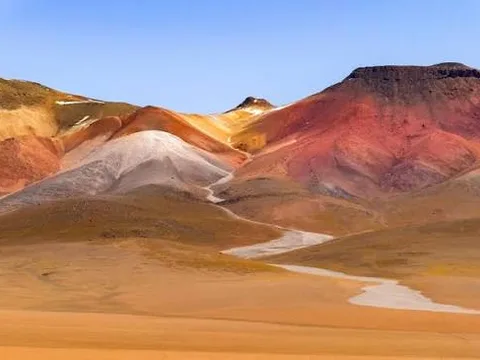
Packing for Uyuni is not about volume. It is about three specific conditions that catch out people who have travelled plenty elsewhere: ultraviolet at 3,660 m reflected off a white surface, night temperatures that fall below −10 °C at the second refuge, and a route with no shop, no pharmacy and no cash machine once you leave town.
The sun, doubled
- High-factor sunscreen, and more of it than you think. The salt reflects what the thin air already fails to filter; people burn under their chin and inside their nostrils.
- Real sunglasses, ideally wraparound. This is the one item with no substitute on the salar.
- A hat with a brim, and lip balm with a sun factor. Lips crack within hours at this altitude.
The cold, at night
Dress in layers rather than in one thick coat: the same day runs from strong sun at midday to freezing after dark, and you will take clothes off and put them back on repeatedly. On the three-day circuit the second night is spent above 4,000 m in an unheated refuge — a hat, gloves and thermal layers earn their place in the bag, and the rented sleeping bag at 120 BOB is money well spent even if you brought your own liner.
The things there is nowhere to buy
- Cash in bolivianos — for the entrance fees, and nothing else takes a card.
- Toilet paper and hand gel. Facilities on the route are functional at best.
- Any medication you take, plus something for headaches. Altitude headaches are common and there is no pharmacy.
- A power bank. Charging points in the salt hostel and the refuge are few, shared, and sometimes off.
- Snacks you actually like. Meals are included and generous; the gaps between them, at altitude, are long.
Season-specific
- Wet season, roughly November to April: rubber boots, rentable at our office for 15 BOB, and a plastic bag for whatever you do not want covered in brine. Salt water ruins leather shoes in one afternoon.
- Dry season, May to October: colder nights, drier air. Add a scarf or buff — the wind on the altiplano is constant and it is the wind, not the temperature, that ends the day early.
- On the three-day circuit, whatever the season: a swimsuit and a towel for the Polques hot springs.
Pack it all in a soft bag rather than a hard case. Space in a Land Cruiser carrying six people and three days of food is measured generously in nobody’s favour.
Frequently asked questions
- How much luggage can I take on the tour?
- One soft bag plus a day pack per traveller is comfortable. On the three-day circuit, travellers returning to Uyuni can leave a larger case behind; those crossing into Chile take everything with them.
- Do I need a sleeping bag?
- Beds and blankets are provided on both nights. The second refuge is above 4,000 m and unheated, so most travellers rent a sleeping bag anyway — around 120 BOB, arranged before departure.
- Will my phone and camera survive the salt?
- Salt crystals and brine get everywhere, and salt water is corrosive. Keep gear in a bag when you are not using it, avoid putting a camera down on wet crust, and wipe everything with a dry cloth at the end of the day.