Health
Altitude on the Uyuni tours: how to arrive ready
· 7 min read
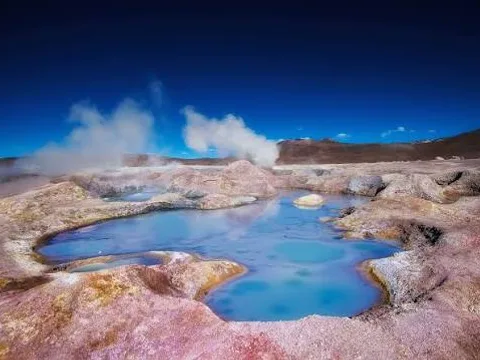
Altitude is the one part of a Uyuni tour that can genuinely spoil the trip, and it is almost entirely manageable — but by what you do in the days before, not on the road.
The actual numbers
| Place | Altitude | When |
|---|---|---|
| Town of Uyuni | ≈ 3,670 m | Arrival |
| Salt flat | 3,656 m | Both tours, day 1 |
| Laguna Colorada | 4,278 m | 3-day tour, day 2 |
| Sol de Mañana geysers | ≈ 4,850 m | 3-day tour, highest point |
For comparison: the salt flat alone is higher than any ski resort in the Alps. On the three-day route you also sleep two nights up here, and the second night is the high one.
What acute mountain sickness actually feels like
Doctors score it with the Lake Louise system, which rates five things: headache, stomach upset or loss of appetite, fatigue, dizziness, and poor sleep. Mild cases are common — studies of rapid ascent put the rate somewhere around a fifth to two fifths of visitors.
One thing worth knowing: being fit does not protect you. Athletes get altitude sickness at the same rate as everyone else, and sometimes worse, because they push harder on the first day.
The only prevention that reliably works
Gradual ascent. Everything else is a marginal gain. Arrive in Uyuni, La Paz or Potosí at least one night before your tour — two is better — and do nothing strenuous on that first day.
- Drink far more water than feels natural — three to four litres a day is a reasonable target at this altitude.
- No alcohol for the first 48 hours. It dehydrates you and masks the early symptoms.
- Eat lightly and often. Heavy meals are harder to digest with less oxygen.
- Move slowly. Walking up a flight of stairs at 4,000 m is a real effort, and there is no prize for hurrying.
Acetazolamide (sold as Diamox) speeds acclimatisation and is widely used, but it is a prescription decision and it interacts with other conditions. Ask your own doctor before you travel — we are guides, not physicians, and we will not advise you on medication.
When to stop and say something
A dull headache, breathlessness on effort and a bad first night are normal and pass. A severe headache that painkillers do not touch, repeated vomiting, breathlessness while sitting still, confusion or an unsteady walk are not. Those are signs to descend, and descending works fast.
Tell your guide the moment something feels wrong, not at the next stop. Our vehicles carry bottled oxygen, and the driver knows where the descent routes are — but only if he knows there is a problem.
If you have a heart, lung or blood-pressure condition, or you are pregnant, talk to your doctor before booking rather than after. The three-day route spends two nights above 3,600 m with no quick way back to a hospital.
Frequently asked questions
- How high is the Uyuni salt flat?
- The salt flat sits at 3,656 m and the town of Uyuni at about 3,670 m. The three-day tour climbs to roughly 4,850 m at the Sol de Mañana geysers.
- How long should I acclimatise before a Uyuni tour?
- At least one full night in Uyuni, La Paz or Potosí, and two if your schedule allows. Gradual ascent is the only prevention that reliably works.
- Does being fit protect you from altitude sickness?
- No. Fitness makes no difference to who develops acute mountain sickness, and very fit travellers sometimes fare worse because they exert themselves early.
- Do the vehicles carry oxygen?
- Yes, bottled oxygen travels with the group. It relieves symptoms but does not replace acclimatisation, and severe cases are managed by descending.